Engineering Productivity in 2026: Where AI Actually Pays Off
Earlier this week I was on a panel with some excellent peers discussing AI and engineering productivity. We discussed how to measure engineering productivity; tactics for driving adoption; how this might change how we structure our teams and the impact on junior engineers, among other topics. Here are my notes.
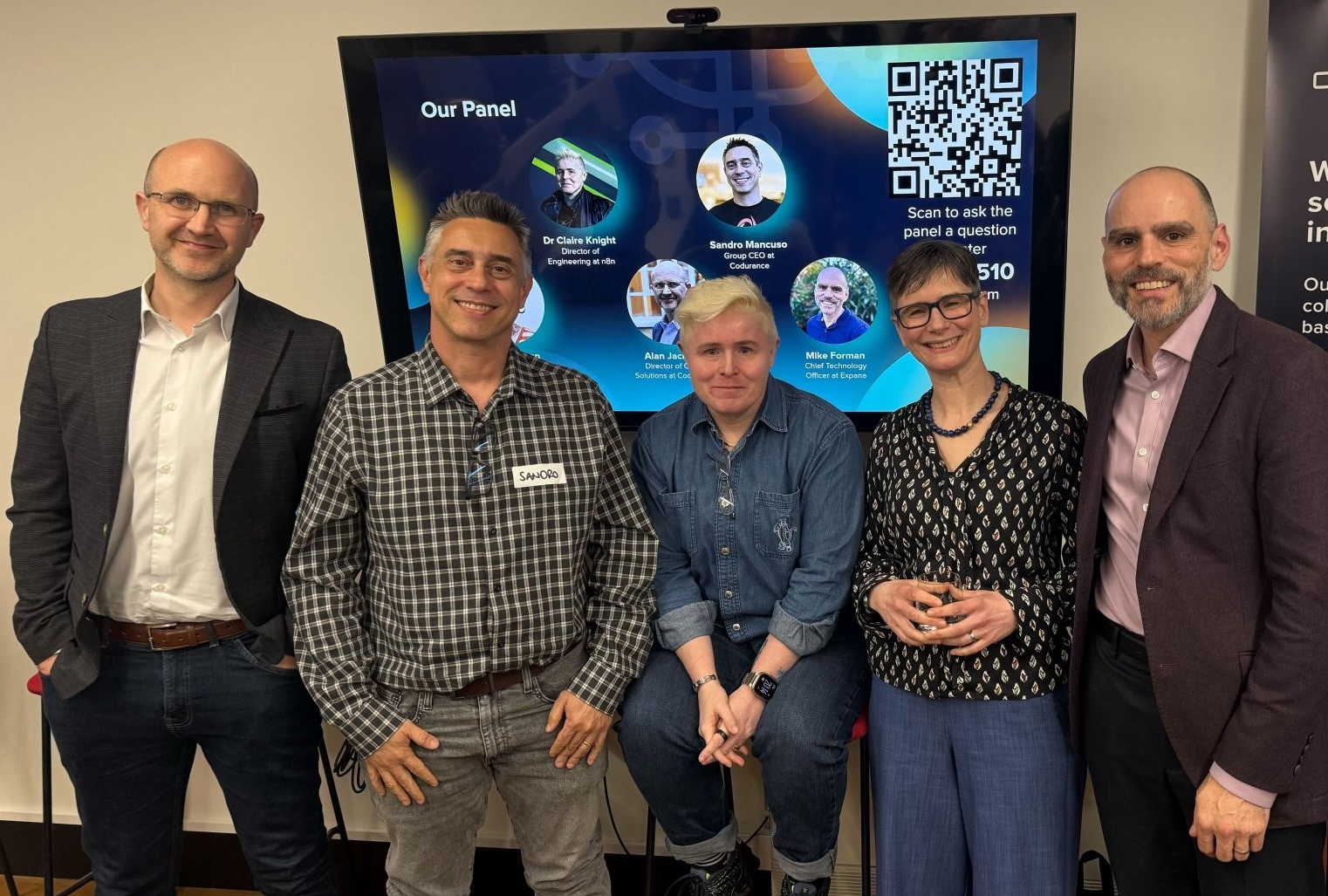 Photo (c) Matthew James
Some of the most interesting themes that we discussed were:
- AI amplifies, it doesn’t augment. Where there is strength it can really boost this, but where there is weakness it also amplifies this.
- This means strong software engineering skills, especially around technical architecture, are more important than ever. Agents are good at executing tasks but they do not have judgement about system design, and will follow the path of least resistance, so in a poorly structured codebase this will make things messier, at pace.
- One skill that will be ever more important is systems thinking. One audience member shared that he’d recently been to a talk about where the next generation of systems thinkers might come from and the answer proposed was gamers, where systems thinking is crucial to success.
- We’ve seen some brilliant productivity gains; for example, one of our panellists had challenged his team to find features that previously would have taken two weeks and deliver it in a day and they found a few. That doesn’t mean productivity has overall sped up 10x but shows where big step changes can be made.
- We also talked about this in light of other changes in our industry over the years and noted similarities, for example previous moves that have aimed to remove software engineers from the equation, like COBOL and CASE tools. In each case, the need for software engineering thinking and skills grew, even as the day-to-day work changed.
- This relates very much to our thoughts around juniors and even mid-level engineers. Software engineering as an industry has always had a lot of change, which is one of the things that makes it so interesting. People who are open to change and learning new skills will be able to develop, so encouraging that attitude and systems thinking is where our focus for the next generation of senior engineers needs to be.
- We talked about measuring productivity. This is far from a solved problem in engineering currently, and while many metrics have merit – we talked about DORA and Core 4 among others – there isn’t agreement. We did agree that lines of code has never been a good measure of productivity and it still isn’t now. I shared my view that measures of productivity will move further up the stack and be much more related to outcomes and what is actually delivered. We even floated the possibility that it could become closer to ARR.
- Interesting ideas were shared around how this might impact teams, including making them much smaller, maybe 2 engineers per team, and doing more with the same number of people. We also talked about how this can help with onboarding so potentially making it easier to flex the size of teams. One huge benefit of this work has been a renewed appreciation for documentation, as the AI agents need it. Finally!
Thank you to my fellow panellists Claire, Mike and Sandro, and Alan for facilitating the event. It was an extremely interesting discussion and I’m sure it’s not the last one we’ll be having on this topic!
If you’d like to be notified when I publish a new post, and possibly receive occasional announcements, sign up to my mailing list: